
Iconic Football Stadiums: Estadio Centenario, Montevideo
There is only one ‘Historical Monument of World Football’, and you’ll find it in the Uruguayan capital, Montevideo.

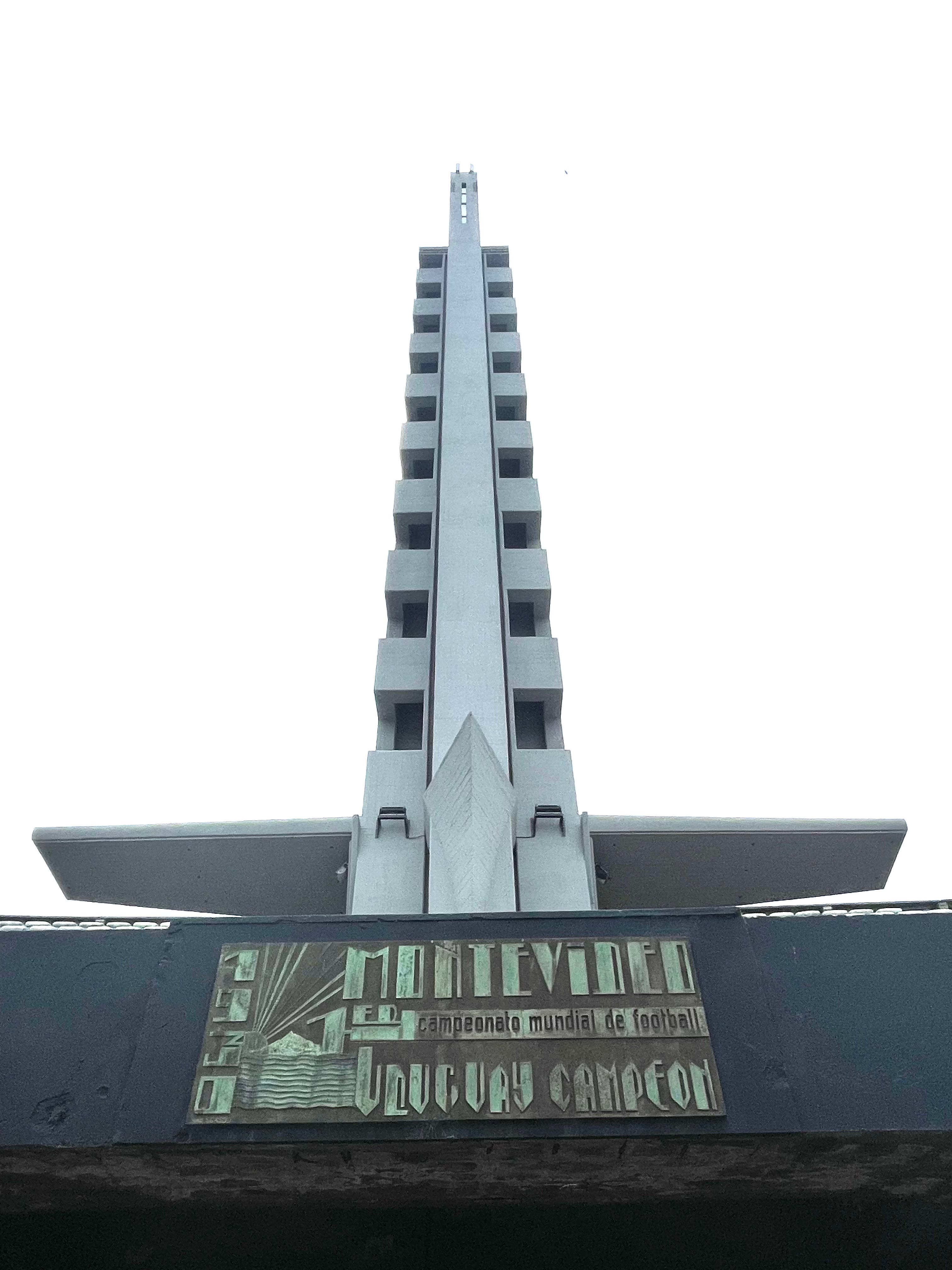
The Estadio Centenario hosted the first FIFA World Cup back in 1930, and to mark 100 years of the Centenario, it will also host the opening game of the 2030 FIFA World Cup.
The stadium has also witnessed its fair share of club competition drama over the years, including Copa América, World Cup playoffs, and even the short-lived Mundialito – a mini-tournament featuring former World Cup winners held in 1980.
I’ve been twice, nearly a quarter of a century apart – a Copa Mercosur match in 2000 and on the stadium tour in 2024 – and it had barely changed in that time. Here’s your guide to the Estadio Centenario. Put this Art Deco classic on your bucket list if it’s not already.
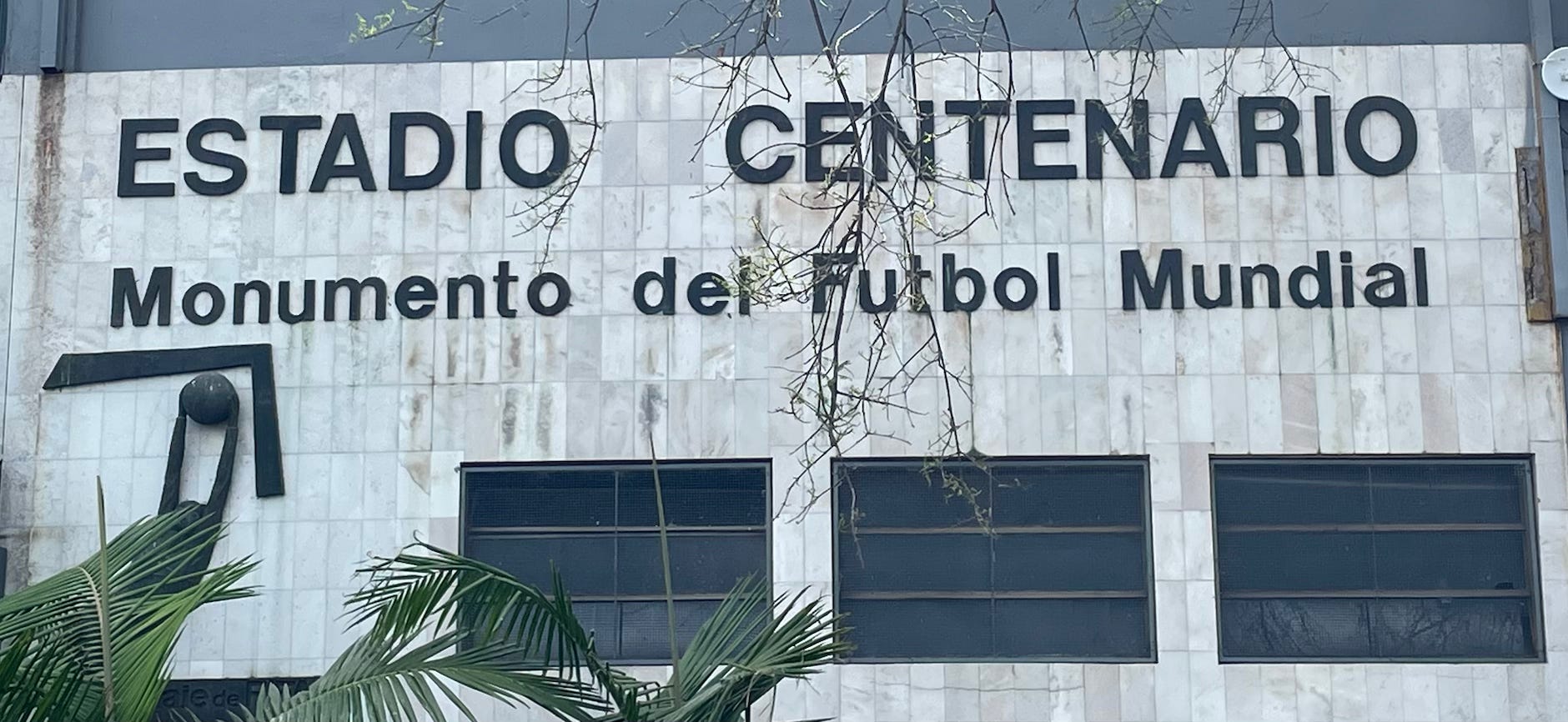
Background to the construction of the Estadio Centenario
In the 1920s, with its meagre population of 1.9 million, Uruguay stunned the world by winning the Olympic gold medal in Paris in 1924, and – to show it was no fluke – repeated the trick at Amsterdam in 1928. In recognition of winning what were, in effect, FIFA’s first ‘world championships’, Uruguay was awarded the right to host the first FIFA World Cup in 1930.
The year also coincided with the centenary of Uruguay’s constitution, so it was named the ‘Centenary Stadium’ – Estadio Centenario in Spanish. The stadium, set in the expansive Parque Batlle, was the brainchild of architect Juan Antonio Scasso, and construction was completed within six months.
The aim was to host all the games at the Centenario, but work wasn’t finished in time for the start of the tournament, so Nacional’s Gran Parque Central and Peñarol’s Estadio Pocitos hosted group matches until the Centenario was ready to open on 18 July 1930.
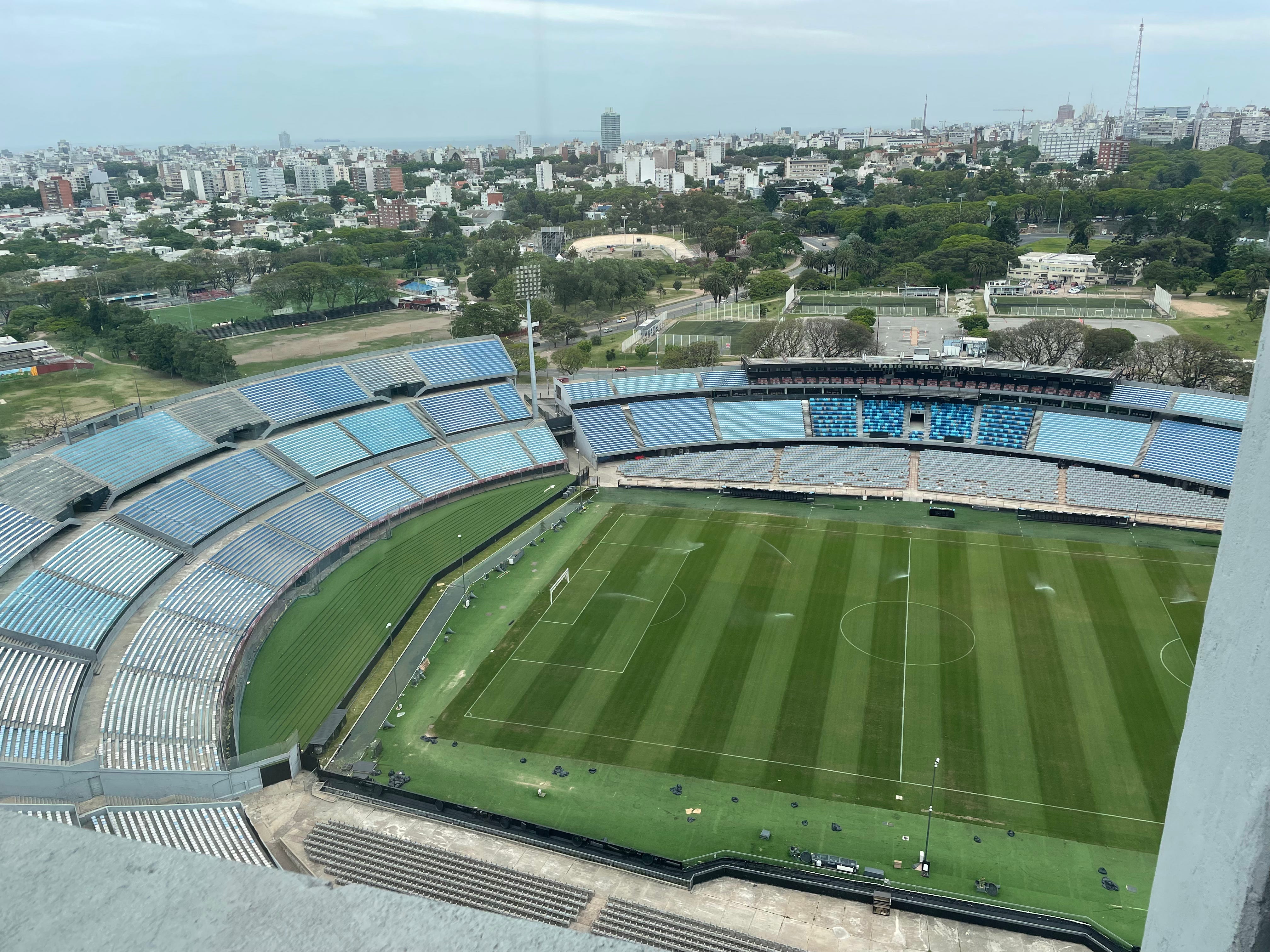
Its stands are named after the successes that Uruguay enjoyed up to that moment. Colombes, for the Parisian stadium in which the Celeste won their first Olympic gold; Ámsterdam, where Uruguay defended their title in 1928; América for the continent on which Uruguay sits and had been champion of several times via what is now the Copa América; and the Olímpica, for the Olympics.
As everyone knows, Uruguay went on to win that first World Cup on home soil. As in Amsterdam two years before, arch-rivals and neighbours Argentina were runners-up.
The Football Museum at the Estadio Centenario
The Olímpica Stand is easily identifiable by its 100m-high Torre de los Homenajes (Tower of Tributes). This is the side of the stadium where you’ll find the entrance to the museum. When I visited (November 2024), entry was UY$330 (£6.16) for overseas visitors.
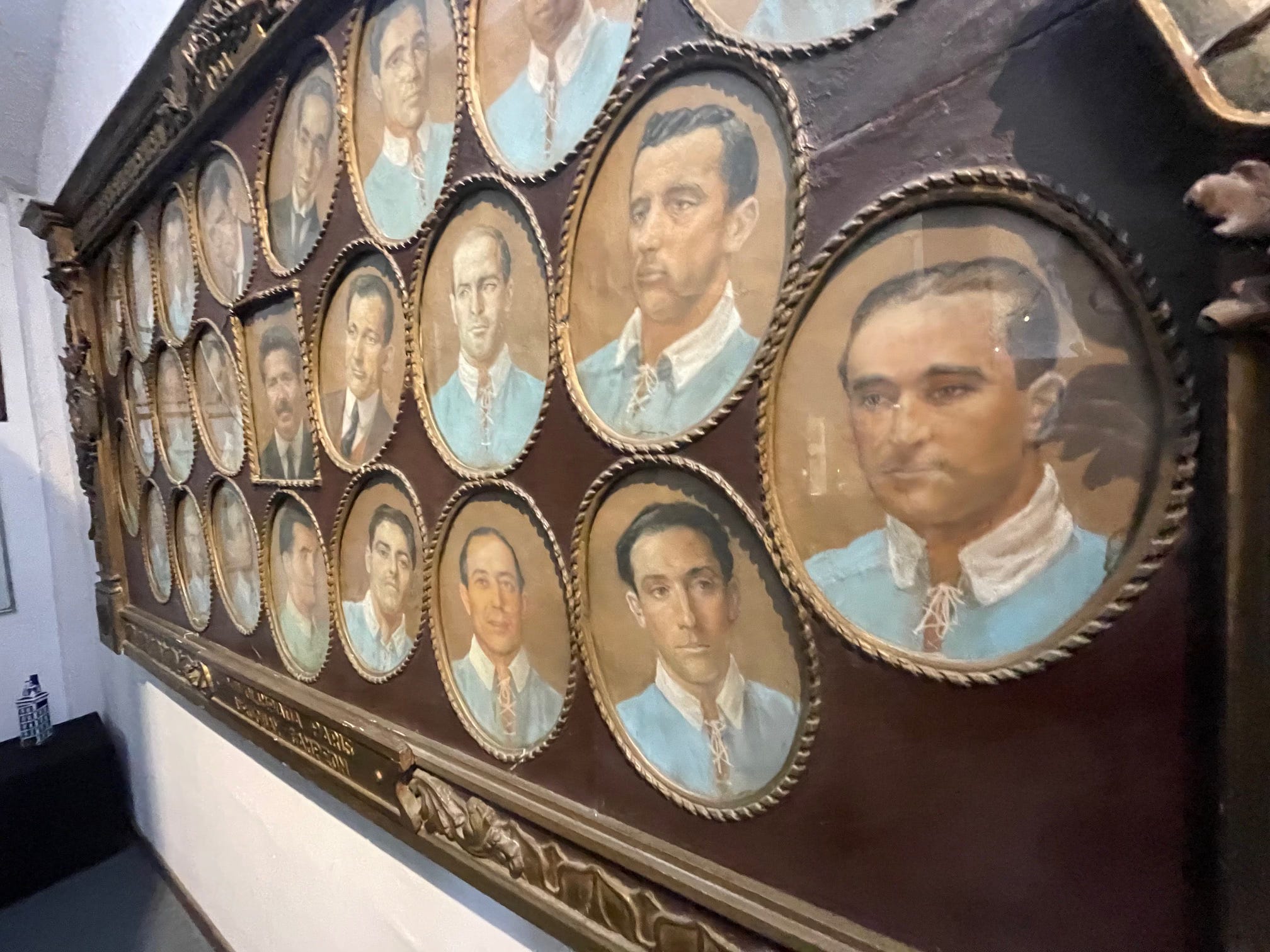
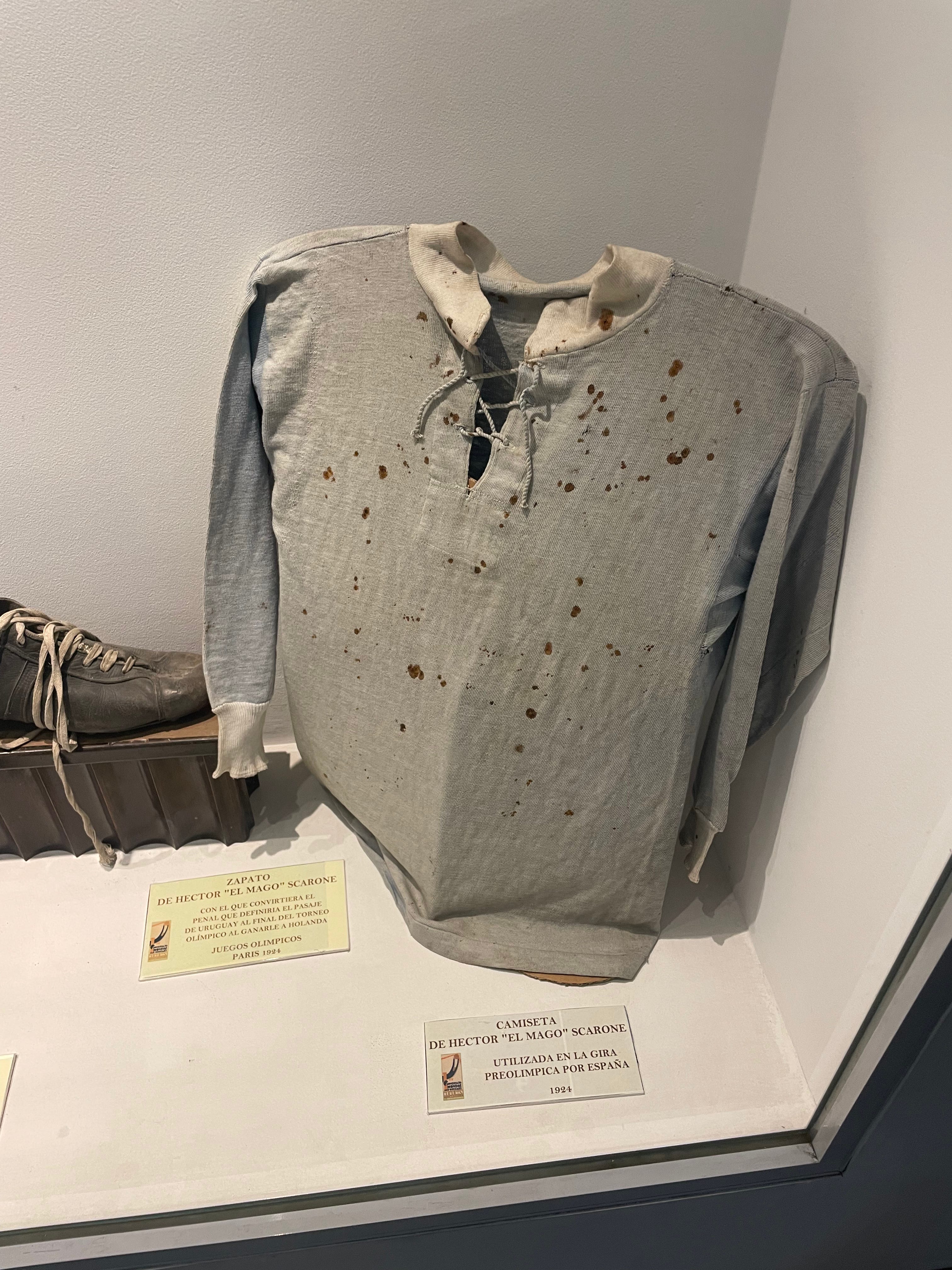
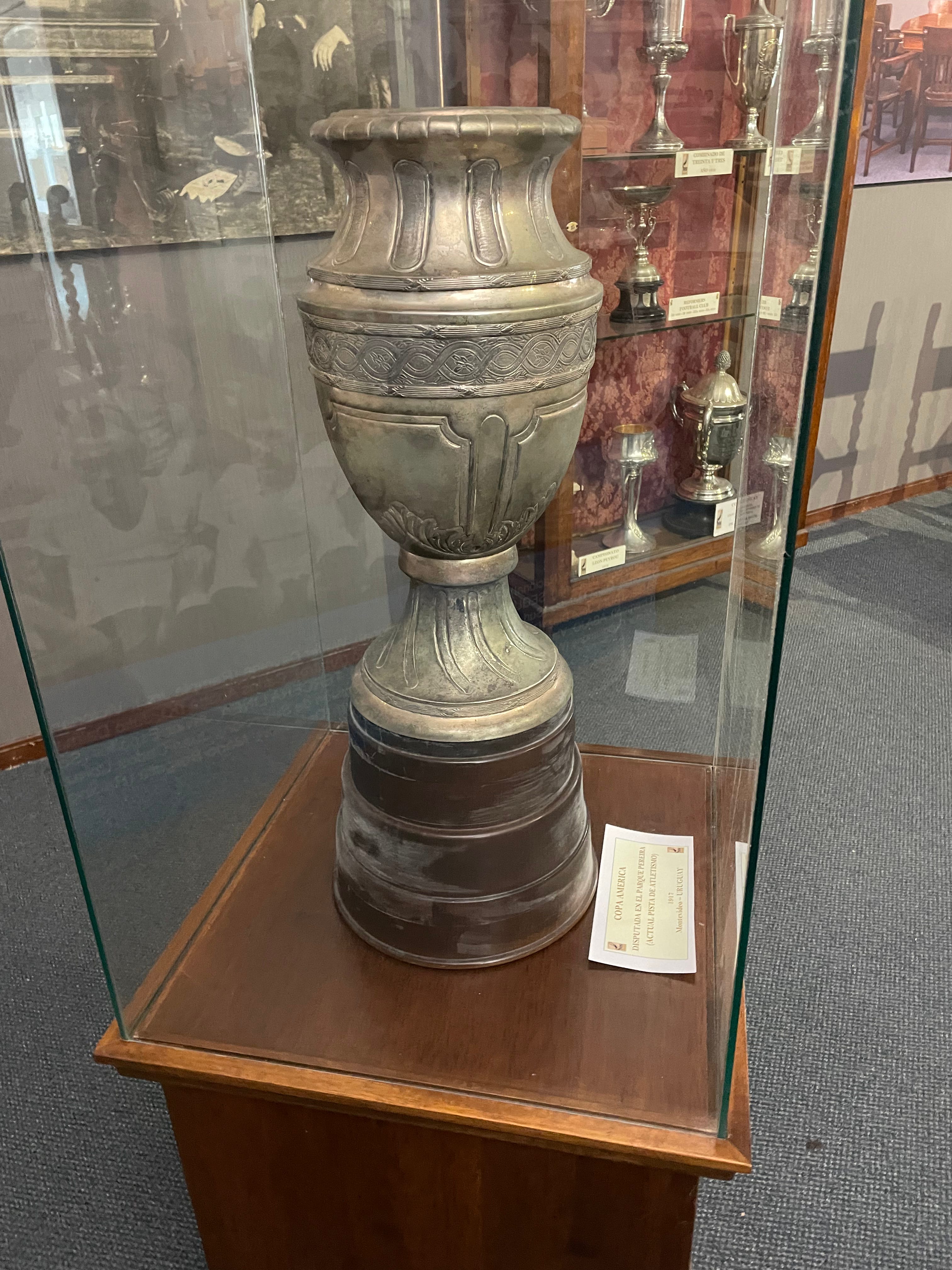
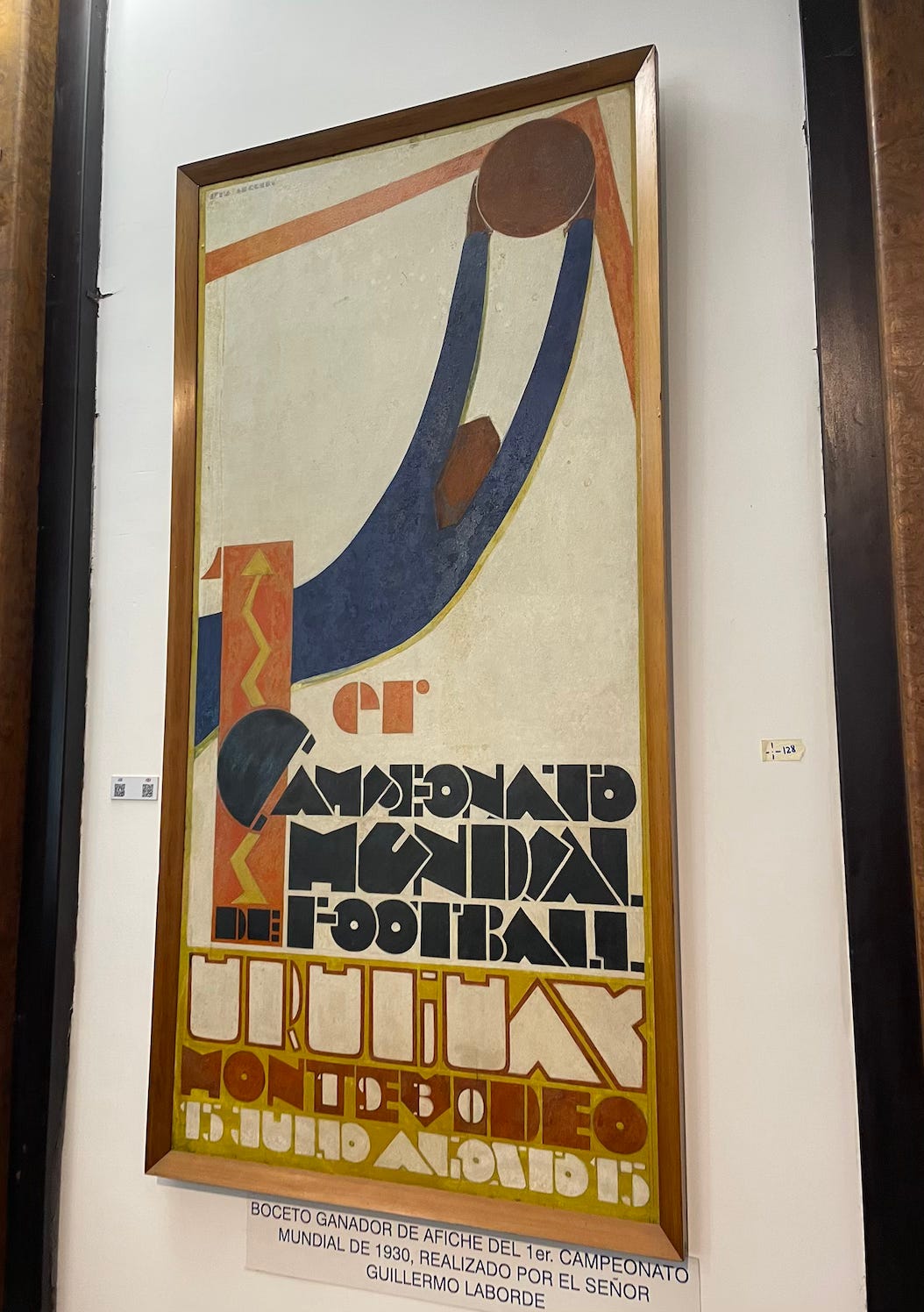
The museum is full of mementoes of the golden age of Uruguayan football. There are shirts, portraits, and other memorabilia from the great 1924 side, some of whom - such as José Leandro Andrade, Héctor Scarone, and José Nasazzi - went on to win the second gold in 1928 and the first World Cup. There are trophies, posters from the 1930 World Cup, and even some historical items from domestic soccer.
You can pop out to the stand under the tower and soak up the view. You can also pay a little extra to go up the tower for epic views across Montevideo. Take time to circumvent the stadium by walking around the outside.
You’ll see statues to the great 1920s and ‘30s sides and a statue of Atilio Narancio - a doctor, politician, and future president of Nacional - who mortgaged his own property to help pay for the Uruguayans’ trip to Paris. The side also played matches across Spain to help raise funds.
In all, the Estadio Centenario is an Art Deco marvel loaded with sporting history.
Matchday at the Estadio Centenario
The Estadio Centenario is the home of the Uruguayan national side, but it also hosts plenty of domestic matches. Often, the Clásico Uruguayo – Nacional v Peñarol – will be hosted here to make the most of the stadium’s 60,000-plus capacity. It also hosts South American competition matches for smaller Uruguayan clubs. When groundhopping in Uruguay, it’s worth keeping an eye on venues; they can change at a moment’s notice.
I first visited the Estadio Centenario on a freezing October night in 2000. I was one of maybe just 10,000 fans inside the ground to watch Nacional draw 1-1 with Corinthians of Brazil. Despite the small crowd, it was far from a disappointing introduction to South America, as the Nacional barra kept the noise coming, and I was sitting under the iconic Tower of Tributes.
For more information or to plan your visit, check out the Estadio Centenario’s official website https://www.estadiocentenario.com.uy